
Gambling and the mind Unraveling the psychological effects behind the thrill
The Thrill of Risk and Reward
At the heart of gambling lies the exhilarating interplay of risk and reward. The excitement that comes with wagering on uncertain outcomes taps into deep-rooted psychological instincts. Humans are naturally drawn to risk; whether it’s crossing a busy street or deciding to invest in stocks, this inclination can lead to thrill-seeking behavior. In gambling, the potential for a sudden win triggers a rush of dopamine, reinforcing the desire to engage repeatedly in the activity. Exploring advanced strategies can enhance your understanding of how to navigate this thrilling landscape, allowing you to maximize your experience at https://lizaro-casinos.org.uk/.
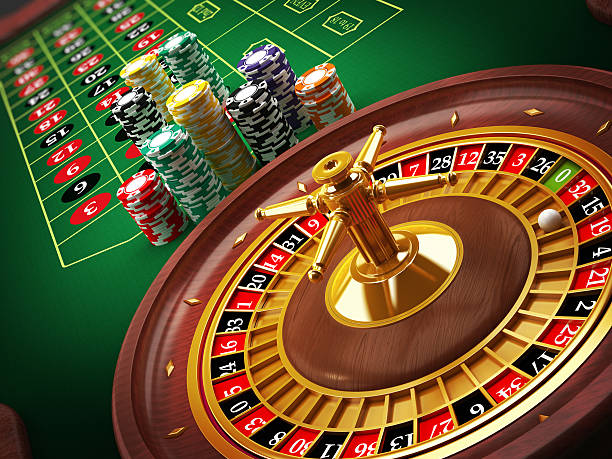
This dopamine release not only creates feelings of pleasure but also establishes a neurological connection that can make gambling feel addictive. The anticipation of winning amplifies these feelings, creating a compelling psychological loop. Players often report that even small wins can produce a strong emotional high, fostering an environment where they are inclined to take greater risks. As a result, understanding the psychological effects of this thrill can illuminate why so many find gambling so appealing.
Moreover, the environment in which gambling takes place enhances this thrill. Casinos, both online and offline, are designed to maximize excitement, featuring bright lights, enticing sounds, and the buzz of excitement from other players. These elements create a sensory experience that heightens the emotional stakes involved, making it difficult for players to resist the allure of the next big win. Consequently, the psychological impact of such environments cannot be understated, as they manipulate player emotions and drive the desire for continued engagement.
The Role of Cognitive Biases
Cognitive biases significantly influence how gamblers perceive their chances of winning. For instance, the illusion of control bias leads players to believe they can influence the outcome of a game that is fundamentally random. This misperception can foster a sense of confidence that encourages further gambling, as players feel their skills can sway outcomes in their favor. Such cognitive distortions play a crucial role in maintaining the gambling behavior despite repeated losses.
Another common cognitive bias is the gambler’s fallacy, where individuals mistakenly believe that past outcomes affect future probabilities. This bias can lead players to chase losses, convinced that their luck will soon change. For instance, a player who has experienced a series of losses may believe they are ‘due’ for a win, causing them to increase their bets in hopes of recouping losses. These biases feed into the cycle of gambling, making it challenging for individuals to recognize when they should stop.
Furthermore, confirmation bias also plays a role in how gamblers rationalize their activities. Players often remember wins while dismissing or forgetting losses, leading them to believe they are better at gambling than they are. This selective memory reinforces the excitement and justifies their continued participation in gambling, creating an ongoing cycle that is hard to break. Understanding these cognitive biases is essential for addressing the psychological effects of gambling and fostering a more balanced approach to risk-taking behaviors.
The Social Aspect of Gambling
The social dynamics surrounding gambling are a significant factor in its psychological appeal. Whether playing at a local casino or an online platform, gambling often fosters a sense of community among participants. Engaging in games with others can amplify the thrill, as shared experiences enhance the emotional highs and lows of the activity. This social interaction can make gambling more enticing and, for some, a primary source of socialization.
Additionally, the camaraderie developed among players can create a strong psychological attachment to gambling. For many, the act of gambling is not just about monetary gain but also about the relationships formed with fellow players. This sense of belonging can be particularly appealing to individuals who may feel isolated or disconnected from other social settings. In this context, gambling becomes a form of entertainment that fulfills both emotional and social needs.
Online gambling platforms have further transformed the social aspect of gambling. Features such as live dealer games and chat functions allow players to interact with each other and share their experiences, adding an extra layer of excitement. This virtual connection can create a sense of intimacy and belonging, even in an online environment. As such, the social dynamics of gambling play a crucial role in its psychological effects, often amplifying the desire to participate in gambling activities.
Impact of Gambling on Mental Health
The psychological effects of gambling can have profound implications for mental health. While many people can enjoy gambling without adverse effects, others may develop gambling addiction, which can lead to severe emotional distress and financial difficulties. This addiction often manifests in a preoccupation with gambling, escalating amounts of time spent on gambling activities, and neglect of personal and professional responsibilities. As the addiction deepens, players may experience feelings of anxiety, depression, and guilt.
Furthermore, the emotional rollercoaster of gambling—characterized by peaks of exhilaration and valleys of despair—can take a toll on mental well-being. The highs of winning can be quickly overshadowed by the lows of losing, creating a cycle of emotional instability. For many, this volatility exacerbates existing mental health issues, leading to a precarious state that can be challenging to navigate. Recognizing and addressing these mental health impacts is crucial for anyone who gambles.
Moreover, the stigma associated with gambling addiction can prevent individuals from seeking help, leading to further isolation and despair. This social stigma can intensify feelings of shame and guilt, creating a barrier to treatment and support. Understanding the complexities of gambling addiction and its psychological effects is vital for fostering a compassionate environment where individuals can seek help without fear of judgment.

Exploring Lizaro Casino’s Unique Experience
Lizaro Casino, an online gaming platform launched in 2025, offers a thrilling environment for players seeking an exhilarating gaming experience. With over 10,000 games, including top slots and live casino options, the platform provides a diverse range of entertainment tailored to modern players. This rich variety not only caters to different preferences but also enhances the overall gaming experience, tapping into the psychological thrill that drives many to gamble.
Players at Lizaro Casino can benefit from a generous welcome bonus, making their initial experience even more enticing. A bonus of 250% up to €3,000 plus 350 free spins ensures that new players have ample opportunities to explore the gaming options available. Such incentives can significantly enhance the thrill of gaming, as players are more willing to take risks when they feel they have support in their endeavors. The generous welcome package exemplifies how online casinos can capitalize on the psychology of gambling to attract and retain players.
Additionally, Lizaro Casino emphasizes security and player experience, employing robust encryption and compliance with data protection standards to ensure that players feel safe and secure while gambling. With a mobile-first approach and fast payouts, the platform has successfully positioned itself as a user-friendly environment that caters to the needs of today’s players. This focus on player security and convenience further amplifies the enjoyment of the gaming experience, reinforcing the psychological thrill that drives engagement in online gambling.